How to Follow a Full Sports Season in Uganda

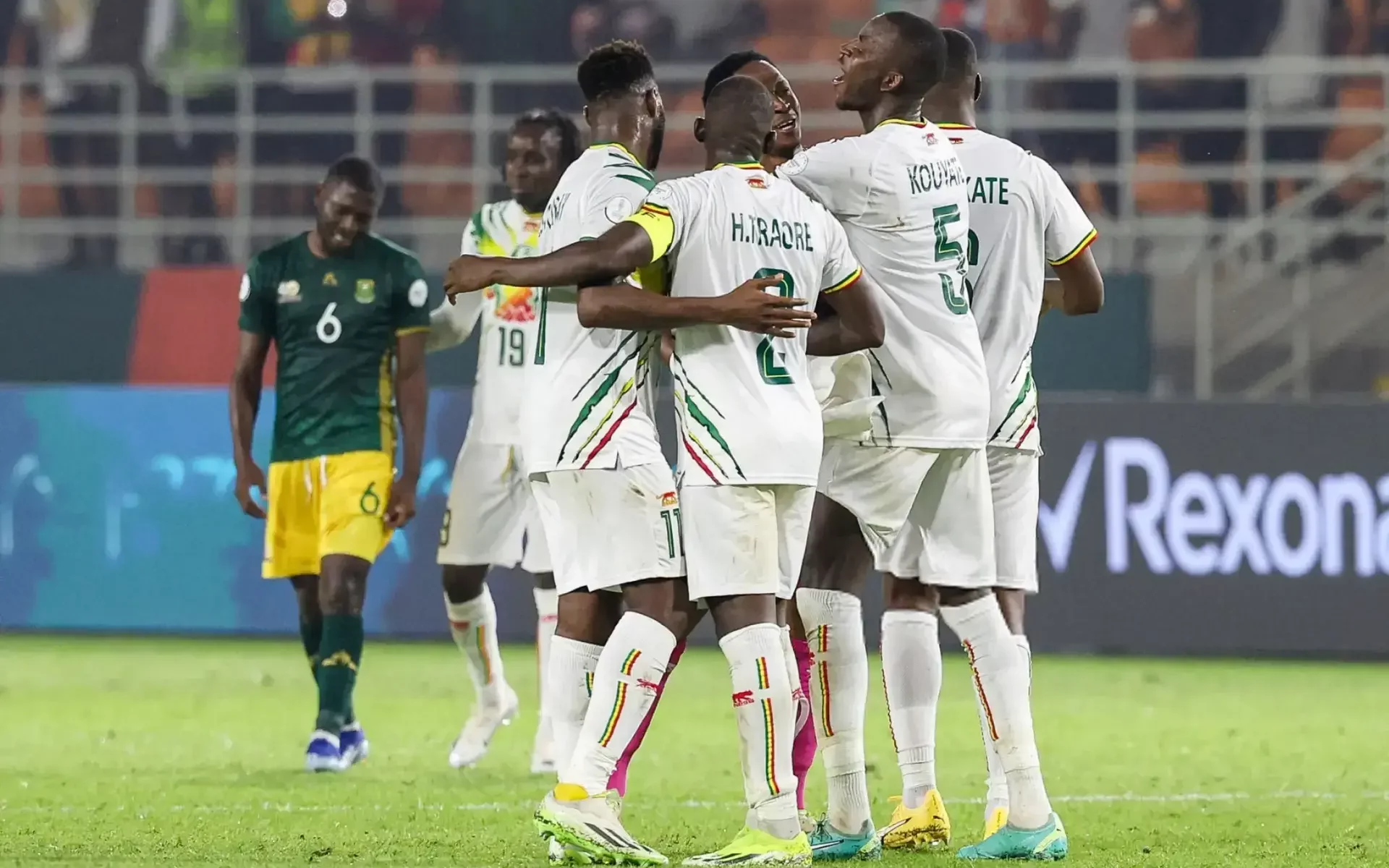
Тунис – Уганда (Прямая трансляция): где и когда смотреть видеотрансляцию  матча Кубка африканский наций | Tribuna iGaming

Choose a rhythm rather than every result

Following sport over a full season is more rewarding than reacting only to the biggest fixtures. In Uganda, the year can include league football, cup ties, national-team windows, athletics meetings, rugby events, netball competition and school tournaments. Trying to absorb everything can become exhausting, so it helps to choose a few competitions and learn how their seasons unfold.

Before comparing top 10 betting companies in uganda, build the habit of following the sporting calendar first. Know when a league begins, which matches are derbies, when an athletics event matters in a runner’s season and when a national team has time to prepare. Context makes each result clearer and reduces the temptation to turn every game into an urgent decision.

A full season becomes easier to follow when it has a rhythm. Rather than trying to absorb every score, a supporter can choose a club, an athlete or a competition and return often enough to see patterns develop. The people involved are supporters, athletes, coaches, club staff, families, school communities, local journalists and people returning to sport after a busy period. In that setting, details such as fixture rhythms, athlete development, changes in form, school and club milestones, recovery periods, local events and the difference between a temporary result and lasting progress are not background noise; they shape the experience and reveal what needs attention. A useful habit is to notice the sequence rather than only the headline moment: preparation, the opening phase, the adjustment made during the contest and the conversation after it. That sequence shows how sporting culture is produced by ordinary work. It also gives people who are new to the subject a practical way to join the discussion without pretending to know everything immediately. This early work is easy to miss, yet it often determines whether the event feels calm, accessible and worth repeating for a first-time visitor as well as for a committed participant.

Follow people as well as tables

A table tells you where a team stands, but a season is made by people. Watch how a coach changes the approach after a difficult run, how a young player earns minutes or how an experienced captain responds to pressure. In athletics, follow how an athlete moves between track, road and cross country. In rugby or netball, notice how a team builds combinations over several matches.

These stories make sport more durable. A mid-season match can matter because it is part of a player’s recovery, a club’s development plan or a team’s attempt to create a new identity. That is more interesting than treating every fixture as an isolated event.

People make seasons memorable. Following a young player earning minutes, a runner building toward a major race or a team adjusting under a new coach gives results a story that a table alone cannot provide. Behind that visible activity sits a system: published calendars, clear communication, sensible time boundaries, local media coverage and enough recognition for youth and community sport alongside major fixtures. These elements may seem administrative, but they decide whether preparation is calm or rushed and whether a sporting space feels open to the people it is meant to serve. When those basics are visible, participants can spend their energy on playing, coaching and supporting rather than solving avoidable problems at the last minute. The public also learns to trust that an event will be worth its time. The practical test is whether people can understand what is expected of them, prepare in good time and focus on the sporting task rather than on avoidable uncertainty.

Keep the season enjoyable

A good season includes surprise. A favourite loses, a young athlete improves faster than expected or a smaller club finds a run of form. Leave room for those moments instead of expecting a perfect prediction. Sport is compelling because preparation matters but never controls every outcome.

If betting is included in an adult’s matchday routine, a season-long view should make it more restrained, not more frequent. Set a fixed limit, do not chase losses and take breaks when the activity stops being enjoyable. The real reward is a fuller understanding of Ugandan sport and the communities that keep it moving all year.

It helps to separate a single difficult week from the broader direction of a season. Injuries, travel, school commitments and close losses can change short-term form without cancelling the work being done over months. A closer observer can use fixture rhythms, athlete development, changes in form, school and club milestones, recovery periods, local events and the difference between a temporary result and lasting progress as a guide, then compare what was planned with what unfolded. The same final result can have several causes, so it helps to watch where pressure appeared, who adapted and which small decision changed the balance. This approach also discourages simple blame. It allows a supporter to recognise a good decision in defeat or identify a weak pattern in victory, which is a much fairer way to talk about athletes and teams. Keeping a short record of these details from one event to the next is often enough to reveal a pattern that a single score, clip or headline would hide.

Make room for the whole sporting year

A season feels more complete when it includes local events as well as headline occasions. Attend a nearby fixture, follow a school final, watch an athletics meeting or learn the schedule of a sport you have not followed before. These small choices help sustain the competitions that give Uganda’s sporting culture its depth.

Over time, this approach creates better memories than a list of isolated scores. It connects results to people, places and progress, and it makes the end of one season a reason to look forward to the next rather than simply to chase another outcome.

A wider view also makes room for different sports. One weekend may be about a football fixture, another about a school event, a netball contest, a rugby tournament or an athletics race with its own kind of drama. This is where supporters who begin with one team or athlete and gradually discover the wider network of school, club, regional and national competition becomes important. Development works best when expectations are clear and the next opportunity is earned through learning, not through pressure to look finished too early. That is why patience is a competitive advantage. A system that gives people time to learn, recover and return after a setback is more likely to produce capable adults than one that chases a fast result from every young participant. That is particularly important for young participants, who need feedback that explains what to practise next instead of a verdict that labels them too early.

Follow the progress, not just the result

A full season rewards patience. It lets people see how clubs recover, how athletes develop and how different sports build momentum across the year. That longer view makes Ugandan sport more satisfying to follow and keeps each match in the perspective it deserves.

Sport stays more enjoyable when it fits around life rather than replacing it. Choosing key events, taking breaks from constant updates and watching with friends or family can make the experience more grounded. The lasting standard is straightforward: a season should leave room for curiosity and rest, so following sport remains a source of knowledge and enjoyment rather than a constant demand for reaction. That principle helps supporters, organisers and athletes decide which parts of the experience deserve investment and which habits should be changed. A healthy culture accepts that some uncertainty cannot be removed. What it can control is the quality of preparation, the way people are treated and the willingness to learn after a result has passed. It gives everyone involved a useful decision rule: choose the action that protects participation, learning and respect after the noise of a single result has faded.

Keep curiosity alive

There is always more to learn from a sporting year: a new team to follow, a different discipline to understand or a young athlete beginning to emerge. That curiosity keeps the season fresh and gives every competition a chance to matter.

The reward for this patient approach is context. By the end of a season, the most meaningful part is often not one score but the visible development of people, clubs and communities across the calendar. In practical terms, supporters, athletes, coaches, club staff, families, school communities, local journalists and people returning to sport after a busy period can use the information available to make better choices and set more realistic expectations. It turns spectatorship into a more active form of learning, because people are not merely consuming a result; they are following how a sporting community is put together. In this way, attention to the detail supports the wider structure and gives the next group of participants a clearer, more welcoming starting point.

A longer view of the subject

The most satisfying way to stay close to this story is to combine attention with patience. Follow the people involved, notice what changes from one event to the next and allow room for work that is not immediately visible. That approach makes each result more meaningful because it sits inside a wider picture of preparation, opportunity and community. It also encourages a better standard of conversation: one in which praise is specific, criticism is fair and participants are treated as people rather than as headlines. For following a full sports season in Uganda, that is the practical meaning of sustained support.

Commitment, Performance and Teamwork

At BFP, we understand that success in business isn’t all that different from success on the playing field. Both require preparation, focus, and a reliable team working toward the same goal. Just as athletes rely on training, discipline, and strategy, our company depends on skilled professionals and proven systems to deliver results. And for those who enjoy following the competitive side of sports, platforms like bovada online sportsbook provide a way to stay connected with the action. Continue reading “Commitment, Performance and Teamwork”

Commitment at Every Stage

At Broughton Fire Protection, we believe that excellence in fire safety is never accidental. It’s the result of precise planning, technical skill, deep industry knowledge, and a relentless focus on quality. Our company’s strength lies in our ability to deliver reliable, code-compliant systems while maintaining the flexibility to meet the individual needs of each project. From concept to completion, we prioritize communication, coordination, and integrity in everything we do. Continue reading “Commitment at Every Stage”

Leaders

BFP has a significant advantage over the competition due to its extremely qualified staff in key positions. Our design staff, led by Chris Amos, uses the most advanced fire sprinkler computer aided software to allow the highest quality design, insuring our first steps in our product start off as efficient as possible. Mr. Amos’ expertise comes from not only his in-depth studies of hydraulics in college, but his years working fabricating systems in the shop, installing both residential and commercial systems in the field and more than 5 years experience designing systems for Broughton Fire Protection. Mr. Amos credentials include a College degree from Humboldt State University, NICET certification in the field of design based fire sprinkler systems as well as a California State contractors license in fire protection contracting. Continue reading “Leaders”